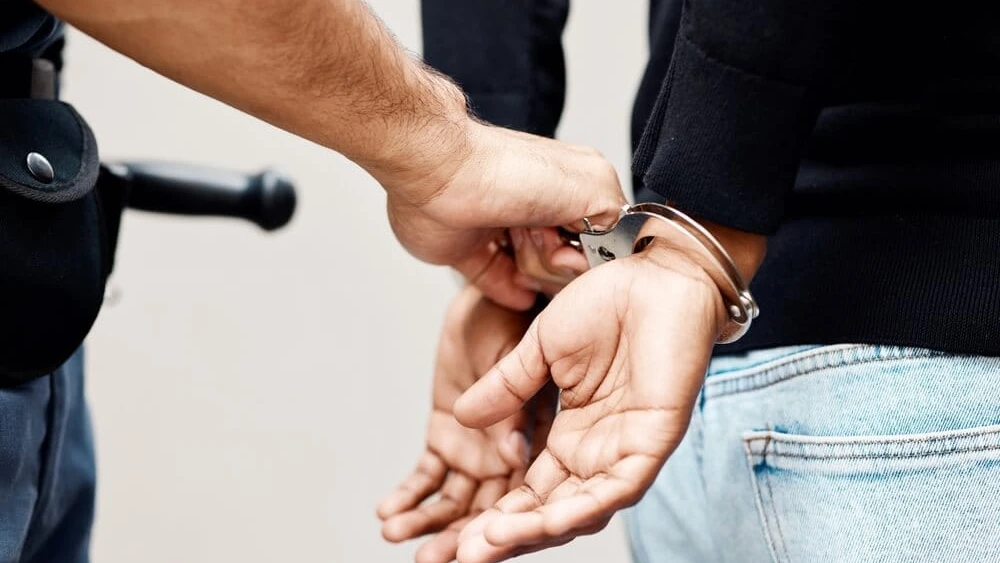
A gun charge in Missouri can quickly become more serious than many people expect. A case may begin as a traffic stop, domestic dispute, drug investigation, assault allegation, probation issue, or search of a shared home or vehicle. From there, the charge may involve Missouri firearm laws, Kansas weapon laws, or even federal prosecution.
Devkota Law Firm helps people facing firearm and weapons charges in Kansas City, Missouri and nearby Kansas communities. We review the stop, search, arrest, police report, firearm location, ownership claims, criminal history, prohibited-person allegations, and whether the prosecution can prove knowing possession.
If you were arrested or charged with a gun or weapons offense, speak with a gun charge attorney Missouri before making statements or accepting a plea. Call Devkota Law Firm at (816) 207-4255 for a free case evaluation.
A gun charge attorney can help review whether the search was lawful, whether the firearm was actually possessed by the accused person, whether prohibited-person status applies, whether state or federal charges may be involved, and what defenses may be available. Weapons charges defense should begin early because firearm allegations can increase penalties and affect future rights.
Firearm charges are different from ordinary criminal cases because they may involve more than one legal system. A case may begin in Missouri state court or Kansas state court, but federal prosecutors may review certain cases depending on the facts.
The risk can increase when the case involves a prior felony conviction, a domestic violence-related restriction, an allegation involving another felony, a drug investigation, interstate issues, or a federal agency.
Not every gun case becomes federal. But federal exposure should be reviewed early so the defense strategy does not ignore a serious risk.
A gun charge attorney Missouri can review the evidence and determine what the prosecution must prove.
Devkota Law Firm looks at how the case began. We review whether police had a lawful reason to stop, detain, search, or arrest you. We also review whether officers had a warrant, valid consent, probable cause, or another legal basis for the search.
Many firearm cases turn on possession. The prosecution may argue that a person possessed a firearm even when it was found in a car, bedroom, bag, closet, or shared space. We review who had access, where the item was found, whether fingerprints or other evidence exist, whether statements were made, and whether the evidence actually connects the accused person to the firearm.
Gun and weapons cases can involve many different allegations.
Common cases may include:
Unlawful possession of a firearm
Possession by a prohibited person
Criminal possession of a weapon
Armed criminal action
Unlawful use of a weapon
Firearm allegations connected to assault
Firearm allegations connected to robbery
Firearm allegations connected to drug charges
Federal firearm charges
Weapon found in a shared vehicle
Weapon found in a shared home
Possession allegations based on prior convictions
Protective order or domestic violence-related firearm issues
The exact charge matters because penalties, defenses, and long-term consequences can vary.
Missouri firearm cases may involve unlawful possession, unlawful use of a weapon, armed criminal action, or firearm allegations attached to another felony.
Unlawful possession cases often depend on whether the accused person was legally prohibited from possessing a firearm and whether the prosecution can prove knowing possession. Armed criminal action cases can be especially serious because they may be charged in addition to another felony.
A Missouri gun case should be reviewed carefully before any plea is considered. The consequences can affect prison exposure, probation eligibility, criminal history, and future rights.
Kansas weapon charges may involve criminal possession of a weapon, allegations involving prior convictions, firearm-related enhancements, or weapon allegations connected to another criminal charge.
A Kansas-side case should be reviewed under Kansas law. The charge level and sentencing risk may depend on criminal history, the type of allegation, and whether prosecutors claim the weapon was connected to another offense.
Because Kansas and Missouri use different statutes and sentencing rules, the state where the case is filed matters.
Armed criminal action is one of the most serious firearm-related allegations in Missouri. It is usually charged when prosecutors claim a person committed a felony with the use, assistance, or aid of a dangerous instrument or deadly weapon.
This type of charge can add separate sentencing exposure on top of the underlying felony. That is why the defense must review both the firearm allegation and the underlying felony.
Devkota Law Firm may review whether the underlying felony can be challenged, whether the item legally qualifies under the statute, whether the prosecution can prove use or connection, and whether the evidence supports the added charge.
Some firearm cases may be prosecuted in federal court. Federal firearm cases can involve allegations such as possession by a prohibited person, firearm possession connected to another federal offense, unlawful transfer, or firearm allegations connected to drug or violent crime charges.
Federal cases are different from state cases. They involve federal prosecutors, federal court rules, sentencing guidelines, and different negotiation risks.
If federal involvement is possible, the case should be reviewed immediately by a lawyer familiar with federal criminal defense.
Constructive possession is a common issue in gun cases. It can come up when a firearm is found in a shared car, shared apartment, bedroom, backpack, glove box, trunk, or other space several people could access.
The prosecution may argue that you possessed the firearm even if it was not found on your body. But being near a firearm does not always prove knowing possession.
Important questions may include:
Where was the firearm found?
Who owned the vehicle or home?
Who had access to the area?
Were there fingerprints or other forensic evidence?
Did anyone make statements?
Was the firearm visible or hidden?
Did more than one person have access?
Was the accused person legally connected to the item?
These facts can matter when building a defense.
Many firearm charges depend on evidence found during a search. If the search was unlawful, the defense may ask the court to suppress the evidence.
Search issues may include:
Whether the traffic stop was lawful
Whether officers had probable cause
Whether consent to search was voluntary
Whether a warrant was valid
Whether the search went beyond the warrant or consent
Whether the firearm was found during an unlawful detention
Whether statements were obtained improperly
If key evidence is excluded, the prosecution may have a weaker case.
Some firearm charges involve claims that a person was legally prohibited from possessing a firearm. These cases may involve prior felony convictions, certain domestic violence-related convictions, protective orders, probation status, or federal restrictions.
The defense should review whether the prior case actually qualifies, whether the records are accurate, whether the person had notice of the restriction, and whether the prosecution can prove every required element.
Because prohibited-person rules can involve both state and federal law, attorney review is important before any plea is entered.
A firearm allegation can change the seriousness of another criminal case. A charge involving assault, robbery, domestic violence, drug possession, or drug distribution may become more serious if prosecutors claim a firearm was involved.
This is why the defense must look at the full case, not only the weapon charge. Challenging the underlying case may also affect the firearm allegation.
The first steps after arrest can affect the case.
Steps to take:
Do not answer police questions without legal advice
Save all court and arrest paperwork
Write down where the item was found, if you know
List who had access to the vehicle, home, room, or bag
Save any messages or records that may matter
Do not contact witnesses about changing their statements
Do not post about the case online
Follow all bond and court orders
Tell your lawyer about prior convictions or protective orders
Contact a weapons charges defense lawyer early
Trying to explain the situation without legal guidance can make the case harder to defend.
Avoidable mistakes can create serious problems.
Common mistakes include:
Talking to police without a lawyer
Claiming ownership before understanding the charge
Posting about the case online
Ignoring court dates
Violating bond conditions
Failing to mention prior convictions
Failing to mention protective orders
Assuming state and federal charges are the same
Waiting too long to request evidence
Accepting a plea before understanding long-term consequences
A firearm charge should be reviewed carefully before decisions are made.
We review the stop, search, firearm location, police report, witness statements, criminal history, and whether the prosecution can prove knowing possession.
Kansas City firearm cases may involve Missouri law, Kansas law, municipal issues, state prosecution, or federal court. The location and court matter.
Gun and weapons charges can carry serious consequences. We prepare each case with attention to the evidence, legal issues, and long-term risk.
We help clients understand the charge, possible penalties, court process, and what decisions may affect the future.
Not every case goes to trial. Some cases may resolve through dismissal, reduction, negotiation, or another lawful outcome. Other cases require a stronger challenge.
A hearing or trial may be needed when:
The search may have been unlawful
Possession is disputed
The firearm was found in a shared space
Prohibited-person status is disputed
The underlying felony is disputed
Federal exposure is possible
The prosecution refuses a fair resolution
The accused person wants to contest the charge
The decision should be based on the evidence and risks in the case.
If you were arrested for a gun or weapons offense in Missouri or Kansas City, speak with Devkota Law Firm before making statements or accepting a plea.
Call (816) 207-4255 for a free case evaluation.